

2019
Minera Antamina
Safety climate and culture measurement at one of the largest mining operations in the country.
Occupational safety and health · Peru and Latin America
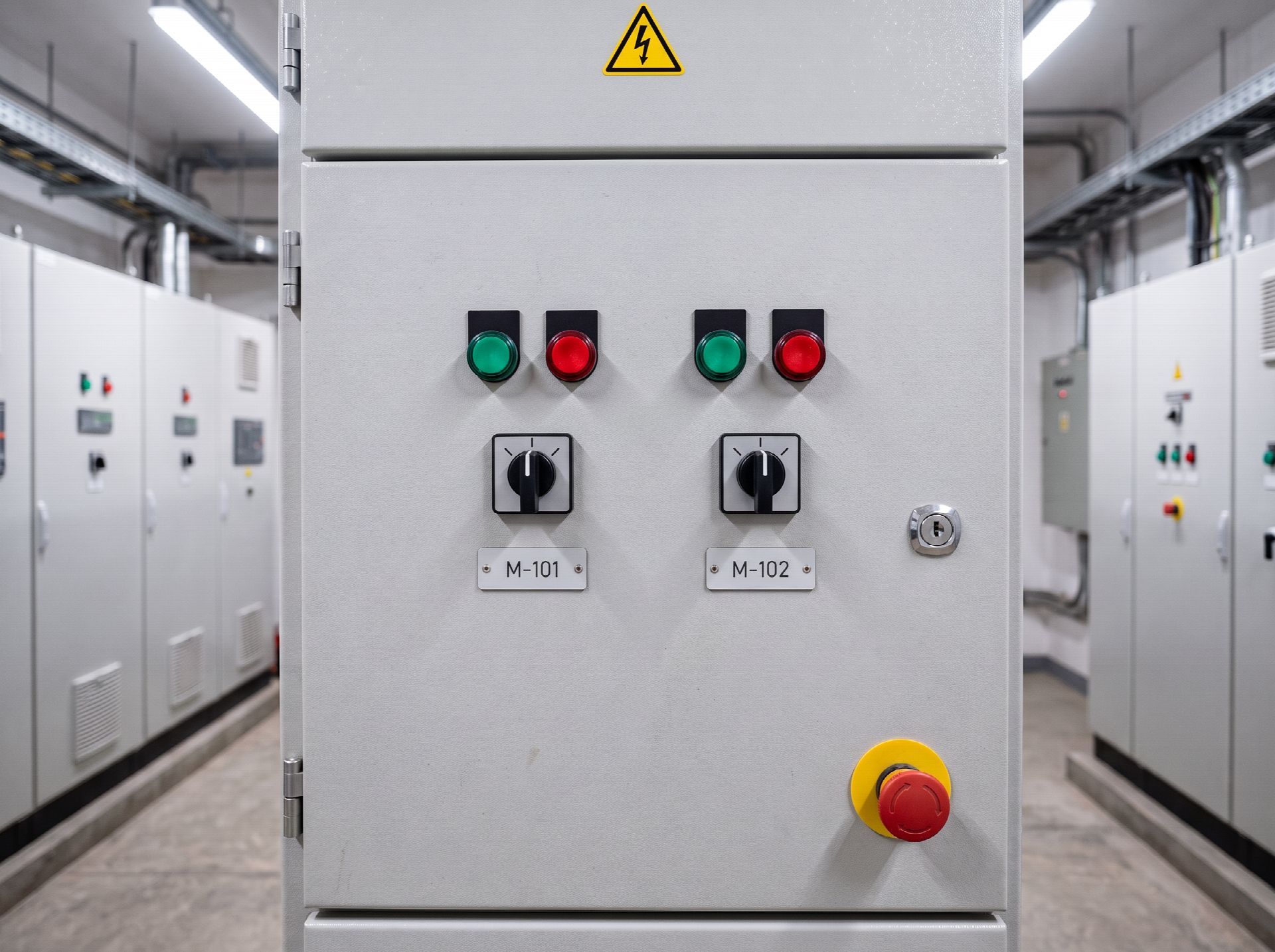
They are explained by decisions somebody made earlier: a fourteen hour shift, two identical controls thirty centimetres apart, an alarm that goes off so often nobody looks at it any more. That can be measured. And what gets measured can be changed.
What we do
These are not three separate products. They are three cuts of the same problem: why people do what they do in a risk environment, and what the organisation can change so they do something else.
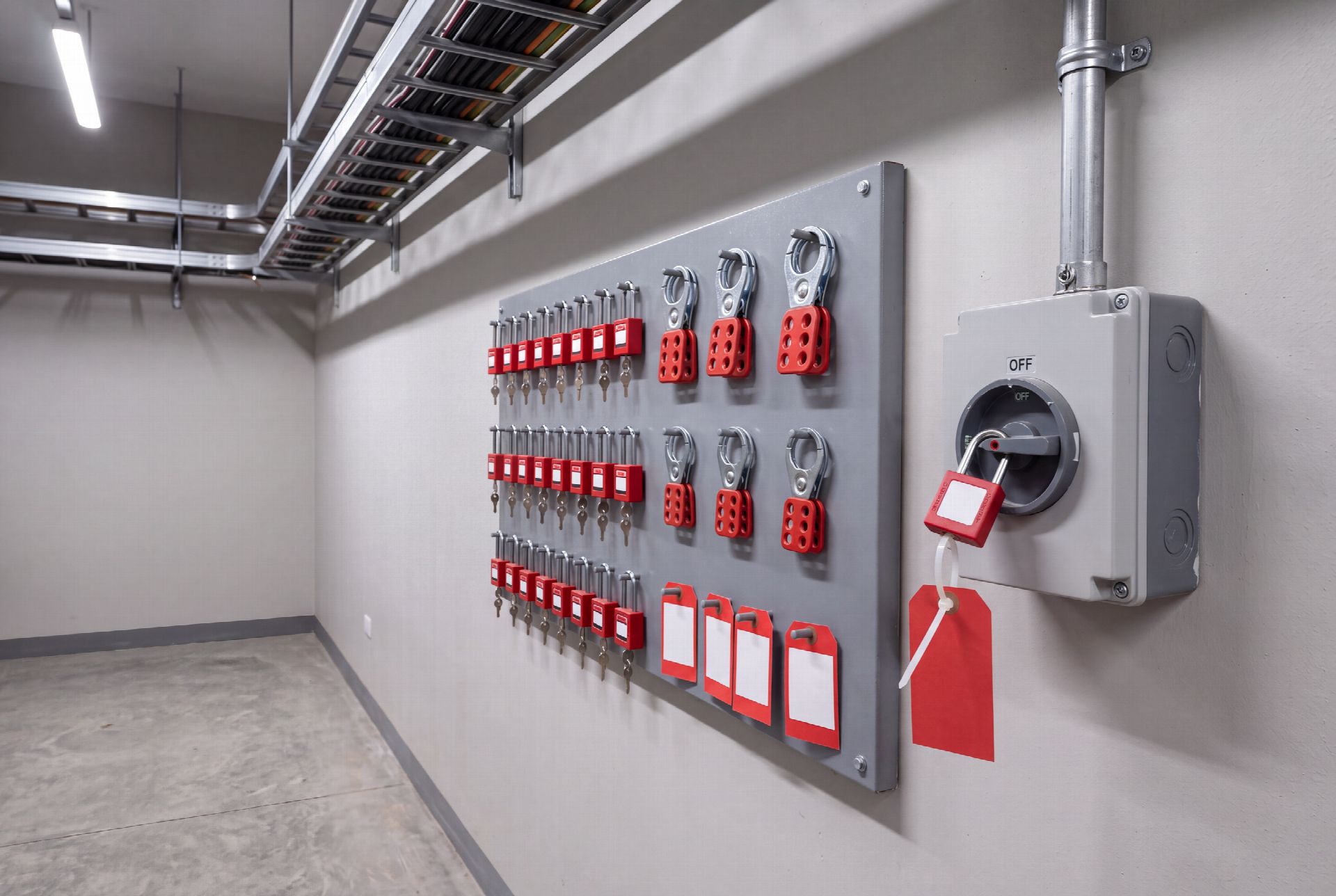
We measure what nobody is measuring, and explain why the same accidents keep happening.
Your operation already knows how many accidents it had. What it does not know is what makes them possible. We measure safety climate by area, shift and management level with a validated instrument, and hand back a map of where the hot spots are and what you are being benchmarked against.
How we work on safety culture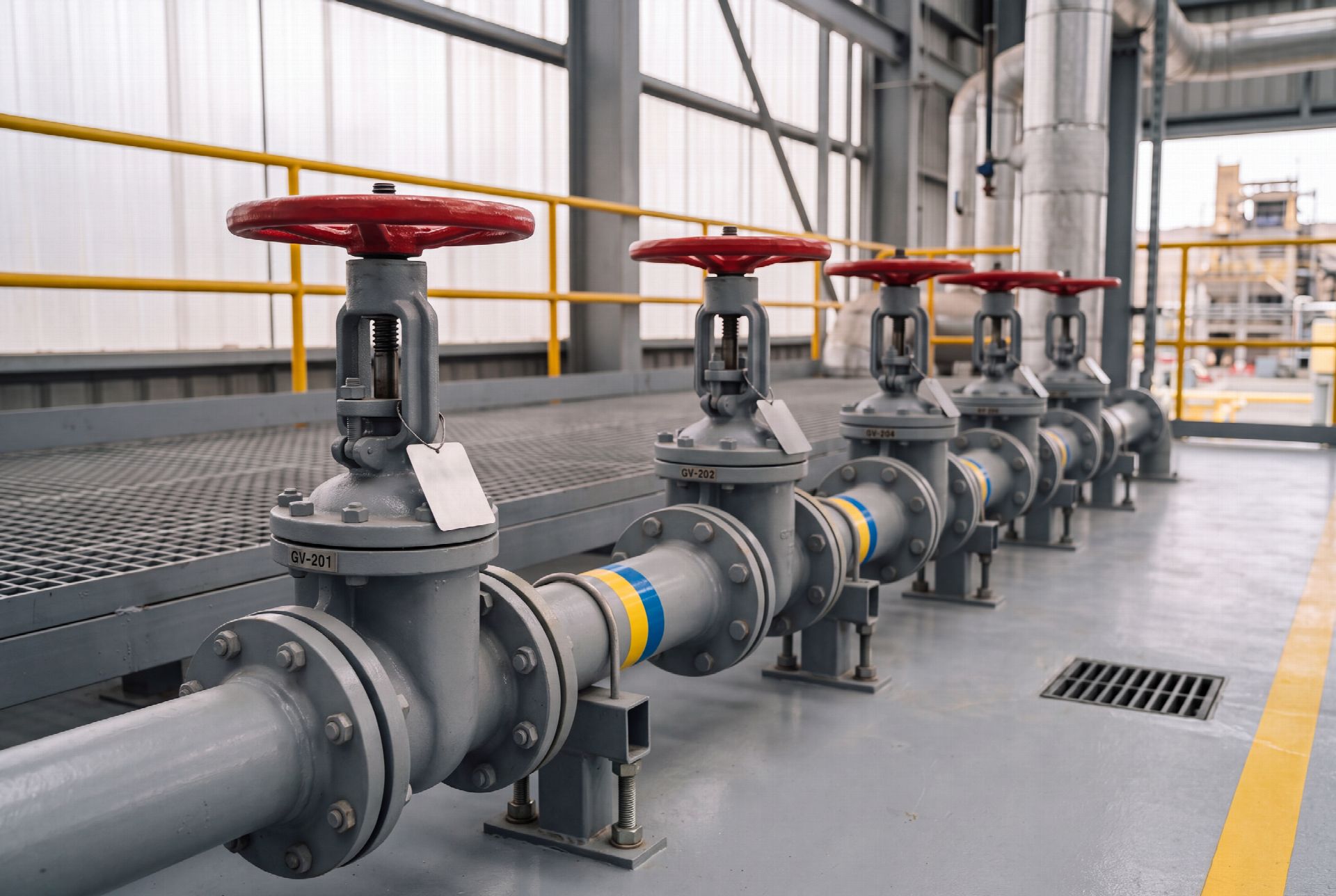
Stop calling it negligence and start being able to control it.
"Lack of attention" is not a cause. It is where the analysis stopped. We review your critical processes and your already closed investigations with human error methods, and pull out the factors you can actually act on next Monday.
How we work on human error
Act on what the organisation actually controls: psychosocial risk.
Someone dealing with anxiety or depression spends their energy coping with it. In a high risk operation that difference gets paid for. The usual answer is a referral to counselling and then waiting; we measure the stressors built into how the work is designed, which is what the company can change.
How we work on workplace mental health
The underlying problem
Almost every mid-sized or large organisation measures its work climate once a year. Good.
The trouble starts when somebody reads those results looking for why people keep getting hurt. What if that survey never asked? It asks about satisfaction, leadership, recognition. It does not ask whether your supervisor stops the job when something looks off, or whether reporting a near miss gets you in trouble. Different things, measured differently.
Safety climate measurement is a different instrument. Its questions do map onto safe behaviour and accident frequency, and that is why its results tell you what to change.
Accreditation
Denmark's National Research Centre for the Working Environment developed the instrument we use. It recognises us as official consultants to apply it in the region. Which means your measurement is benchmarked against international references, not against a scale we invented.
Experience
We have measured in mining, oil and gas and professional services, across Peru and Bolivia.
2019
Safety climate and culture measurement at one of the largest mining operations in the country.
2020
Sustained measurement over two years at Peru's main state-owned oil and gas company.
2018
Human error analysis applied to tailings dam operation, one of the highest-consequence processes in mining.
2020
Analysis of wellbeing and mental health indicators at a top-tier law firm.
Free · 3 minutes
15 questions about how daily work actually runs in your operation. At the end you see your score per dimension, the maturity level you are at and what to look at first. It is indicative and does not replace a validated instrument, but it tells you where to start.
Tell us what is happening and what has already been tried. We reply within 24 working hours, and if your case is not for us we will say so.
Or write directly to jludowieg@humanfaktor.com