

Services
Three ways of looking at the human factor
Three cuts of the same problem: why people do what they do in a risky environment, and what the organisation can change so they do something else.
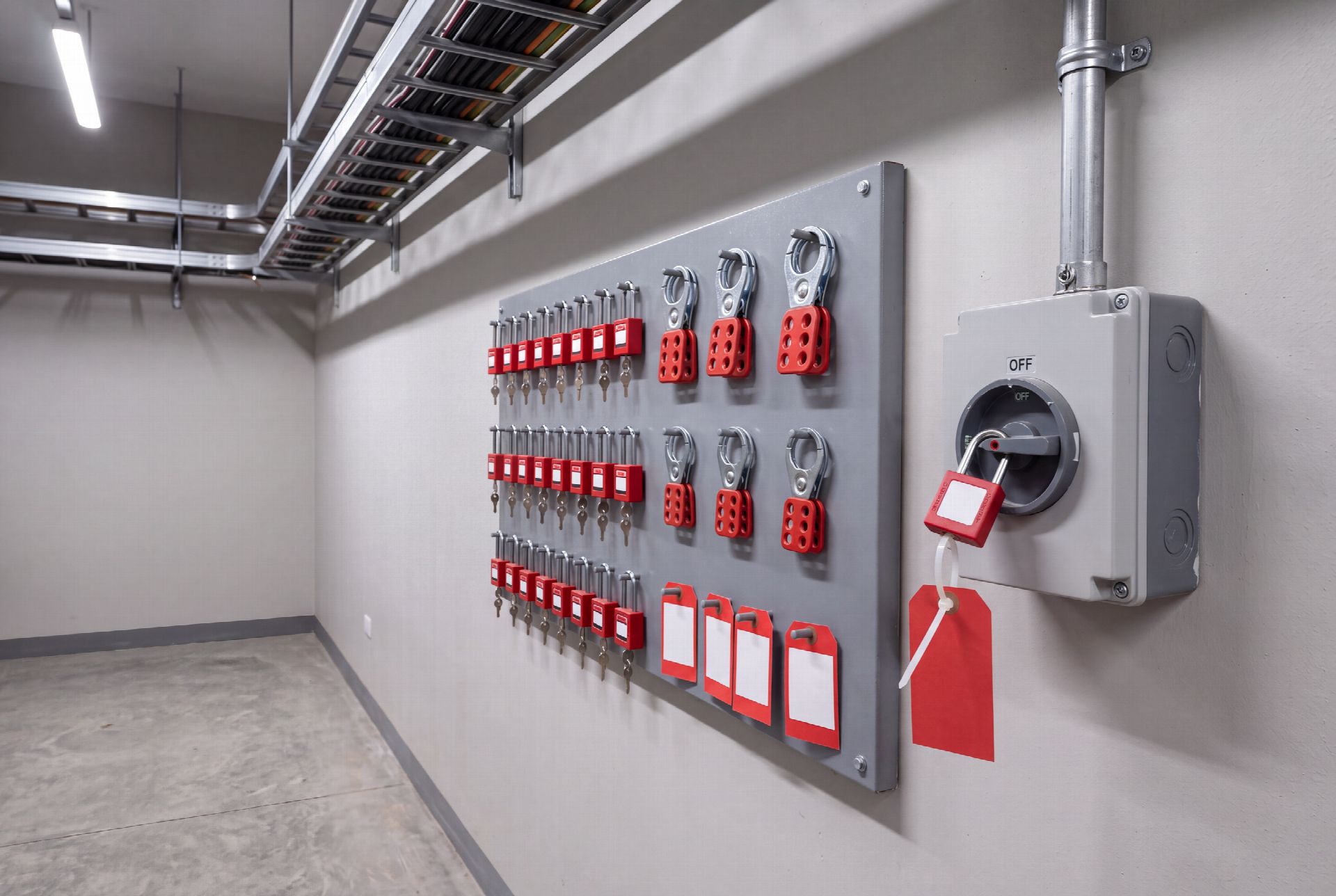
Safety Culture
We measure what nobody is measuring, and explain why the same accidents keep happening.
Your operation already knows how many accidents it had. What it does not know is what makes them possible. We measure safety climate by area, shift and management level with a validated instrument, and hand back a map of where the hot spots are and what you are being benchmarked against.
- Safety climate measurement by area, shift and management level.
- Identification of the values and beliefs driving behaviour towards risk.
- Benchmarking against national (Peru) and international references, subject to conditions.
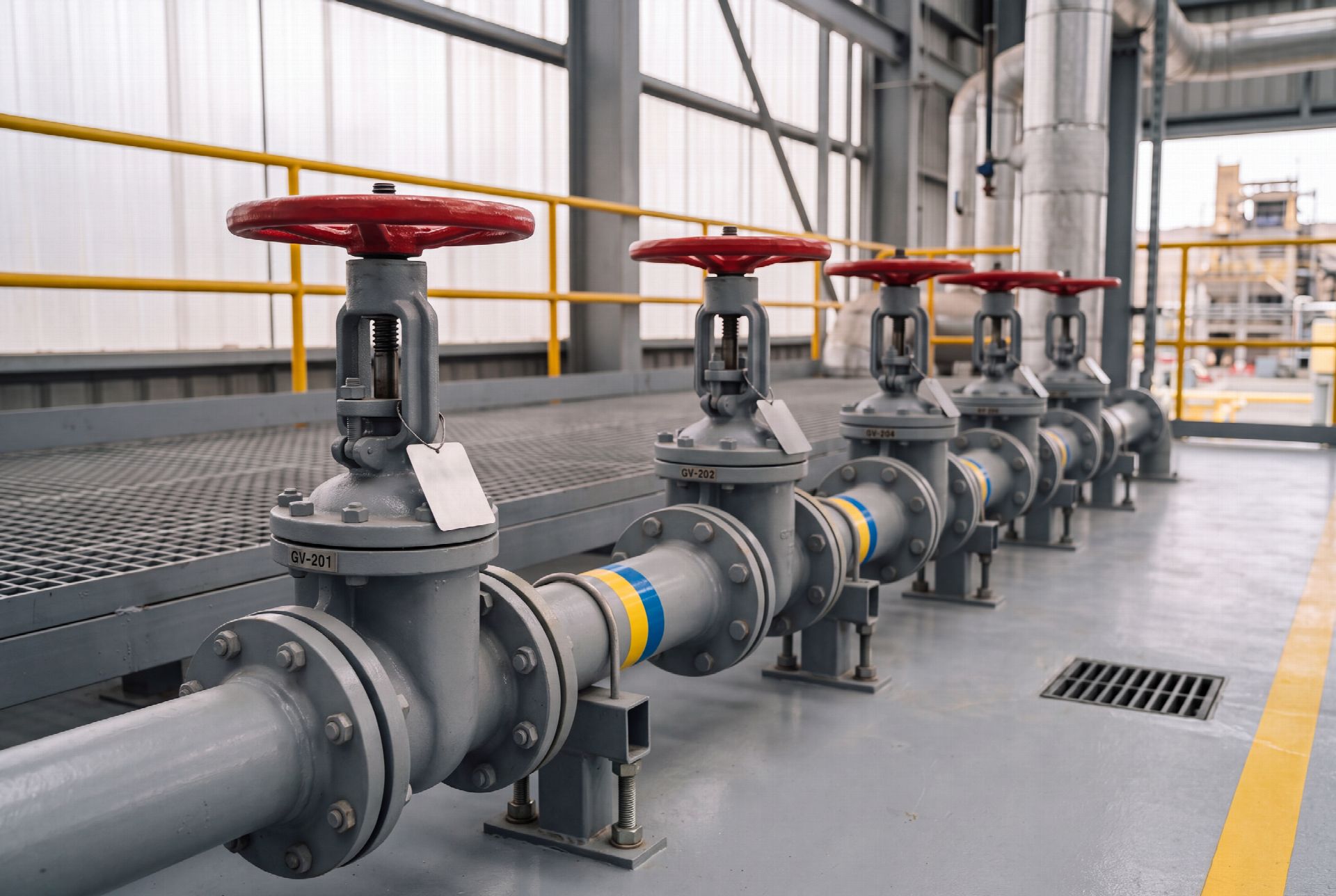
Human Error
Stop calling it negligence and start being able to control it.
"Lack of attention" is not a cause. It is where the analysis stopped. We review your critical processes and your already closed investigations with human error methods, and pull out the factors you can actually act on next Monday.
- Analysis of critical processes with human error methodologies.
- Re-analysis of accidents and incidents already investigated, to see what was left out.
- Map of likely errors by process stage and their precipitating factors.
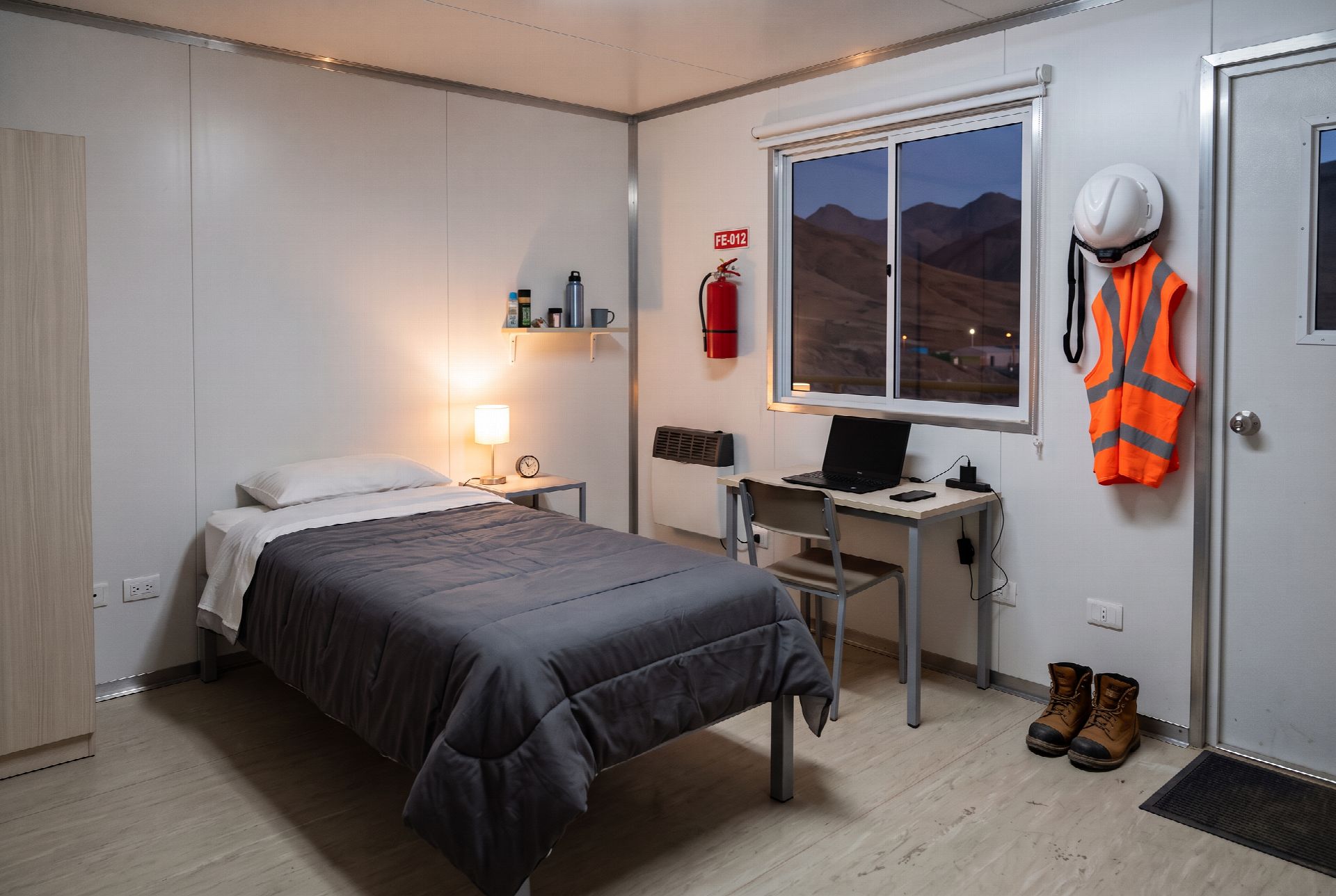
Workplace Mental Health
Act on what the organisation actually controls: psychosocial risk.
Someone dealing with anxiety or depression spends their energy coping with it. In a high risk operation that difference gets paid for. The usual answer is a referral to counselling and then waiting; we measure the stressors built into how the work is designed, which is what the company can change.
- Psychosocial risk assessment by area and role.
- Perceived stress measurement, to know how urgent action is.
- Action plan on the specific stressors the organisation can change.